Choose a Vape Manufacturer for Consistent Supply
The Role of Quality Control in Vape Manufacturing: What You Need to Know
Quality control in vape manufacturing is a critical component that cannot be overlooked. It ensures product safety and adherence to regulations, while simultaneously building consumer confidence. Manufacturers must implement rigorous testing and maintain high standards for ingredients. Despite this, many companies still find it difficult to achieve uniform quality standards. Understanding the intricacies of these practices can be pivotal. Which fundamental strategies are genuinely effective in ensuring both safety and flavor uniformity in the vaping sector?
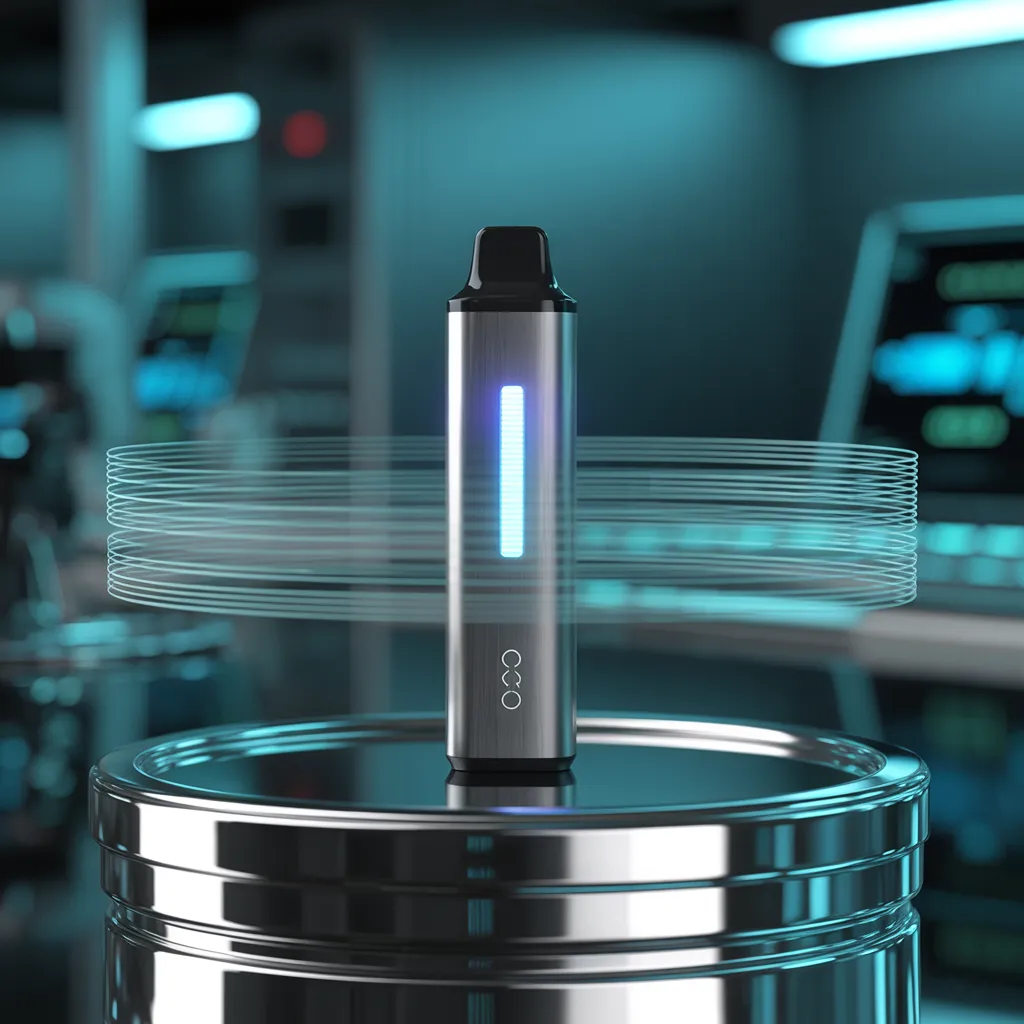
The Importance of Quality Control in Vape Manufacturing
Quality control is essential in e-cigarette manufacturing, maintaining safety standards and product consistency. The e-cigarette industry has experienced significant expansion, resulting in heightened attention to product standards. Users require trustworthy and safe vaping devices, and any lapses can result in serious health risks. Quality control measures help identify defects early in the production process, reducing the likelihood of hazardous products reaching the market.
Additionally, compliance with regulations is a key component of vape manufacturing. Following rigorous guidelines safeguards manufacturers from legal issues while cultivating consumer trust. Quality control also enhances brand reputation, as well-made products tend to encourage customer loyalty and repeat purchases. Through consistently overseeing ingredients, production methods, and end results, manufacturers are able to copyright elevated benchmarks. This not only protects consumers but also upholds the broader credibility of the vaping sector, allowing it to flourish in a demanding marketplace.
Fundamental Quality Control Strategies Every Vape Manufacturer Must Adopt
To ensure the highest standards in vaping product production, adopting critical quality control measures is essential. Manufacturers should establish a comprehensive quality control structure that encompasses routine inspections and operational assessments. This confirms adherence to industry standards and regulations.
In addition, utilizing standardized operating procedures (SOPs) can streamline production while decreasing error rates. Educating employees on these procedures is critical for maintaining consistency and quality throughout the manufacturing process.
Regular equipment upkeep and calibration are equally vital to ensure that all consult now machinery functions within established parameters. Regular inspections of the production environment help identify potential contamination risks, safeguarding product integrity.
Finally, documenting all quality control measures is critical for tracking and responsibility. By adhering to these practices, vaping product manufacturers can improve product dependability, customer safety, and brand reputation.
How Ingredient Testing Shapes Quality Control
Ingredient testing is a critical component of quality control in the vape production industry, ensuring the purity and safety of all components used. Various testing methods and established standards play an essential role in determining the caliber of raw materials. The purity of these materials directly influences product security, making comprehensive assessment vital for protecting end users.
Relevance of Ingredient Purity
How important is ingredient purity in the vape manufacturing industry? Ingredient purity acts as a fundamental pillar for creating safe and superior vape products. Contaminants or impurities can negatively impact the flavor, safety, and general user experience. Additionally, the presence of unverified substances can lead to health risks, potentially resulting in regulatory scrutiny and loss of consumer trust. Producers must focus on obtaining premium ingredients to ensure adherence to industry standards and consumer demands. Thorough ingredient testing is required to confirm purity levels, offering a critical layer of quality assurance. By maintaining strict standards for ingredient purity, manufacturers can copyright product integrity and enhance their reputation in a competitive market, ultimately fostering consumer confidence.
Assessment Methods and Standards
Comprehensive testing methods and standards are vital for maintaining the quality and safety of vape ingredients. Precise analytical methods, such as mass spectrometry and gas chromatography, are commonly employed to analyze and assess multiple elements found in vape liquids. Such techniques assist in identifying contaminants and ensuring every ingredient satisfies defined standards. Furthermore, adherence to industry standards, such as those outlined by the ASTM or ISO governing bodies, enhances the integrity of quality assessment processes. Consistent testing protocols not only enhance product reliability but also foster consumer trust. By implementing stringent quality control measures, manufacturers can more effectively ensure that their offerings meet regulatory standards and customer demands.
Impact on Product Safety
Guaranteeing product safety depends on rigorous component testing in vape production. This procedure includes assessing all components, including nicotine, flavorings, and base liquids, to identify dangerous compounds and guarantee adherence to safety standards. By performing comprehensive testing, producers are able to identify potentially dangerous contaminants and verify the purity of ingredients, which is essential for consumer protection. Furthermore, ingredient testing helps in maintaining uniform product standards, minimizing the risk of harmful health consequences. Regulatory agencies often mandate such testing as part of quality management systems, reinforcing its importance within the vaping industry. At its core, robust ingredient testing not only safeguards consumer health but also strengthens confidence in vaping products, cultivating a safer market environment.
How Quality Control Guarantees Flavor Consistency
Ensuring flavor consistency in vape product manufacturing relies on strict quality control measures. Guaranteeing that every e-liquid batch delivers the consistent taste experience is critical for customer satisfaction and brand loyalty. Quality assurance begins with the careful choice of ingredients, monitoring their quality and obtaining from reliable suppliers.
Throughout the manufacturing process, regular testing is performed to evaluate flavor compositions, using techniques like chemical analysis to analyze molecular compositions. This allows producers to identify any departures from established standards. Standard operating procedures are implemented to oversee combination procedures, maintaining accurate proportions and blending techniques.
Moreover, sensory assessments are conducted by specialized panels who examine flavor and scent, providing feedback for adjustments. By maintaining rigorous quality control standards, producers can steadily deliver high-quality flavored products, meeting consumer expectations and reinforcing their market position. Therefore, comprehensive quality control greatly shapes the entire vaping experience.
Navigating Vape Health Regulations?
Quality control in vape manufacturing goes beyond ensuring flavor consistency and also addresses conformity with health regulations that guide the industry. With vaping products experiencing heightened scrutiny, manufacturers must traverse a complex landscape of domestic, national, and worldwide regulations. Such regulations typically govern ingredient safety, labeling standards, and production processes.
In order to comply, manufacturers must establish thorough testing procedures to confirm that their product lines align with the defined health requirements. These requirements include checking for hazardous materials and assessing nicotine content. Additionally, producers must stay updated on regulatory changes, which can fluctuate widely by region.
Effective quality control systems help streamline compliance, reducing the risk of costly recalls and legal issues. By prioritizing health regulations, vape companies not only shield consumers but also foster confidence in their brands. Therefore, navigating health regulations is a critical component of quality control in the vape industry, affecting the overall integrity of products and success in the marketplace.
What to Consider in Quality-Controlled Vape Brands
When assessing quality-controlled vape brands, buyers should focus on thorough testing protocols and criteria. Openness about ingredient origins is equally important, as it signifies a brand's focus on quality and safety. These factors play an important role in ensuring a reliable and satisfying vaping experience.
Testing Procedures and Standards
Securing the integrity and uniformity of vape products copyrights on strict quality control measures. Well-regulated vape brands commonly establish detailed evaluation procedures throughout the production cycle. These measures often include systematic analysis for flavor precision, nicotine concentration, and potential contaminants. External verification labs are regularly engaged to validate results, providing an independent assessment of product safety and quality. Moreover, conformity with accepted industry benchmarks, such as those set by the FDA or ISO certifications, is vital for trustworthiness. Brands that value accountability in their quality assurance methods tend to provide comprehensive documentation and analytical certifications. Consumers are encouraged to seek out these reliability benchmarks to guarantee they opt for reliable and safe vape products.
Transparency in Ingredient Sourcing
The transparency of ingredient sourcing plays a fundamental role in the comprehensive quality assurance of e-cigarette products. Brands that prioritize this transparency provide clear information about the source and quality of their materials, cultivating trust among consumers. When evaluating vape brands, buyers should request thorough disclosures about the procurement of essential ingredients, such as e-liquids, flavorings, and nicotine. Trusted manufacturers frequently provide details about their supply chain, including ingredient testing results, certifications, and farming practices. Moreover, brands that adhere to strict regulatory standards typically demonstrate a commitment to safety and quality. Through emphasizing ingredient sourcing transparency, buyers can make well-informed decisions, guaranteeing they choose products that copyright high-quality benchmarks and support a healthier vaping experience.
Frequently Asked Questions
What Certifications Should Vape Manufacturers Seek for Quality Control?
Vaping product makers ought to pursue accreditations such as ISO 9001 as a quality management standard, GMP (Good Manufacturing Practices) for safety standards, and CE marking to demonstrate adherence to European regulations, guaranteeing that products satisfy industry standards and consumer safety expectations.
In What Ways Does Quality Control Affect Production Costs?
Quality control directly influences production costs by ensuring consistent product quality, reducing waste and rework. Effective quality measures can lead to long-term savings, though initial investments may increase costs, ultimately enhancing brand reputation and customer satisfaction.
What Are Typical Quality Control Failures in Vape Manufacturing?
Common quality control failures in e-cigarette manufacturing include irregular nicotine content, impurity of components, improper labeling, unreliable battery protection systems, and inadequate leak prevention, each of which poses risks to product safety and customer confidence.
How Frequently Should Quality Control Audits Be Performed?
Quality management audits need to be carried out at regular intervals, ideally quarterly, to ensure consistency and compliance in manufacturing processes. This schedule allows for the early recognition of concerns and continuous improvement in product quality and safety standards.
What Technologies Aid in Vape Quality Control Processes?
Tools such as automated inspection systems, mass spectrometry, and gas chromatography significantly improve quality control processes in the vape industry. These innovations deliver accurate ingredient analysis, consistency in production, and compliance with safety standards, thereby enhancing product performance and dependability.